Our Services
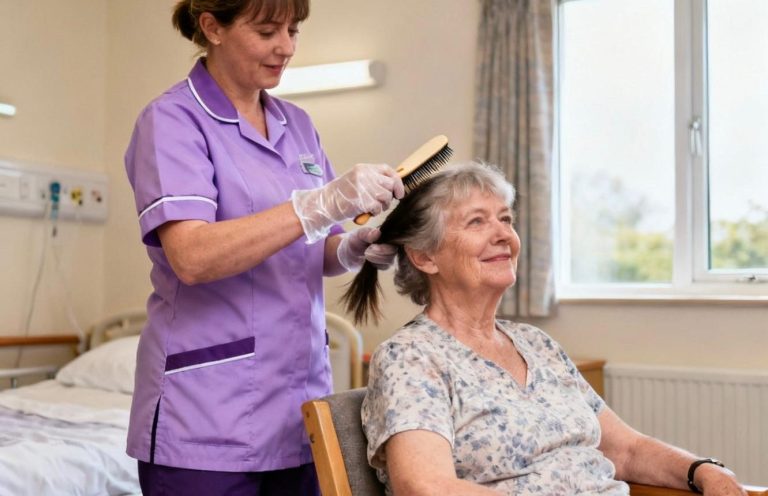
Care at home
Care at home is an increasingly vital aspect of healthcare that allows individuals to receive personalised support in the comfort of their own surroundings. This approach not only promotes independence but also enhances the emotional well-being of patients, making it a preferred option for many families. Home care services can range from assistance with daily activities, such as bathing and meal preparation, to more complex medical support, ensuring that individuals receive the necessary help tailored to their specific needs.
In the context of British healthcare, care at home can significantly relieve pressure on hospitals and care facilities, allowing those in need of support to remain in their own homes for as long as possible. This model has shown promising results in maintaining the dignity and quality of life of patients, especially the elderly and those with chronic illnesses. With a growing demand for in-home services, it is essential for families to explore the available options and work closely with healthcare professionals to create a suitable care plan that addresses both medical and emotional needs.

Live in care
Live-in care is an increasingly popular option for individuals seeking personalised support within the comfort of their own homes. This approach to healthcare enables those with various needs, including the elderly and those with disabilities, to receive assistance around the clock from dedicated carers. The benefits of live-in care extend beyond mere companionship; it fosters independence while ensuring that professional medical attention is accessible when required. Families can have peace of mind knowing that their loved ones are receiving tailored care that suits their unique needs and promotes overall well-being.
In the context of healthcare in the UK, live-in care services are often considered a viable alternative to traditional residential care homes. By allowing individuals to age in place, live-in care not only enhances the quality of life but also supports mental and emotional stability. As the healthcare landscape continues to evolve, the demand for such services underscores the importance of personalised, compassionate care in maintaining the dignity and autonomy of those requiring support.

Extra Care
In the realm of health care, the concept of extra care plays a crucial role in ensuring that patients receive the highest quality of attention and support during their treatment and recovery processes. This involves not only addressing the physical ailments of patients but also considering their emotional, psychological, and social needs. Health care professionals are encouraged to adopt a holistic approach, recognising that the well-being of an individual is intertwined with their overall quality of life.
Extra care can manifest in various forms, such as personalised treatment plans, regular follow-ups, and open lines of communication between patients and healthcare providers. By fostering an environment of compassion and understanding, practitioners can make a significant difference in the healing journey of their patients. Ultimately, prioritising extra care in health care settings not only enhances patient satisfaction but also leads to improved health outcomes and a more empathetic healthcare system.

Nursing
&
Complex Care
Nursing plays a pivotal role in the provision of complex care within the healthcare system, particularly in the context of the United Kingdom. As healthcare needs become increasingly sophisticated due to an ageing population and the rise of chronic conditions, nurses are required to possess a diverse skill set that encompasses both clinical expertise and compassionate patient management. The ability to coordinate care across multiple disciplines is essential, as nurses often serve as the linchpin in ensuring that patients receive comprehensive and continuous support throughout their healthcare journey.
In the realm of complex care, nurses not only administer treatment but also advocate for patients, educate families, and empower individuals to manage their health. They are integral in developing care plans that are tailored to the specific requirements of each patient, facilitating communication among various health professionals, and implementing evidence-based practices. As the landscape of healthcare continues to evolve, the importance of nursing in delivering complex care cannot be overstated, highlighting the necessity for ongoing professional development and support for nursing staff in the UK.

Supported living
Supported living is a crucial aspect of health care in the UK, providing individuals with the necessary assistance while promoting their independence and well-being. This model of care allows individuals, particularly those with disabilities or health challenges, to live in their own homes or community settings, receiving tailored support that caters to their unique needs.
In the context of health care, supported living encompasses a range of services, including personal care, daily living assistance, and access to healthcare professionals. The goal is to empower individuals to lead fulfilling lives, fostering social inclusion and enhancing quality of life while ensuring that they have the right support available to manage their health effectively.

Learning disabilities
Learning disabilities represent a significant challenge in health care, often leading to disparities in access to essential services. Individuals with learning disabilities may face difficulties in understanding health information, communicating their needs, and navigating the complexities of the health care system. As a result, it is crucial for health care professionals to adopt inclusive practices that ensure effective communication and tailored support, enabling these individuals to receive the care they require.
Furthermore, training for health care providers on the specifics of learning disabilities can enhance patient outcomes. By fostering a compassionate and understanding environment, health care professionals can help to empower individuals with learning disabilities, facilitating better health management and promoting overall well-being. It is vital to advocate for policies that prioritise accessibility and inclusivity, ensuring that the health care system meets the diverse needs of all individuals.